The global energy transition stands at a critical point. Around the world, economies are striving to cut carbon emissions while keeping energy affordable and secure. Yet progress remains uneven.
Global investment in the energy sector is set to hit a record US$3.3 trillion in 2025, according to the International Energy Agency (IEA), with about US$2.2 trillion flowing into clean energy technologies such as renewables, grids and storage, nearly twice the amount going into oil, gas and coal combined.
Despite record investments in clean energy, fossil fuels still meet over 80% of global energy demand, while geopolitical tensions and economic uncertainty continue to slow the shift to low-carbon systems.
From extreme weather to supply disruptions, the effects of delay are already visible, and the need for coordinated global action has never been clearer. But how each region approaches this challenge differs widely, shaped by its own realities and priorities.
Asia’s Challenge: Balancing Growth And Sustainability
Urban growth is driving Asia’s energy demand, underscoring the need to extend access to rural communities.
Getty Images
Asia’s energy story is unique. Home to nearly 60% of the world’s population and some of its fastest-growing economies, the region is both a driver of global demand and a key player in emissions reduction. Yet the pathway forward is complex.
Rapid urbanization and industrial growth have pushed Asia’s energy needs to unprecedented levels, yet access, infrastructure and affordability remain uneven. Many nations are still laying the groundwork for modern energy systems even as they are urged to decarbonize. As highlighted in the IEA’s Southeast Asia Energy Outlook 2024, population growth and industrial expansion continue to drive surging energy demand across the region, while gaps in clean cooking access and reliable infrastructure persist, underscoring the complexity of achieving a just and inclusive transition.
The question is not whether Asia will transition, but how, in a way that is just, equitable and suited to its diverse economies. The region’s choices will determine whether the world succeeds in meeting its climate goals.
Energy Asia 2025: Confronting The Challenge Head-On
More than 50 strategic dialogues were held throughout the three days, centered on the theme “Delivering Asia’s Energy Transition.”
Energy Asia
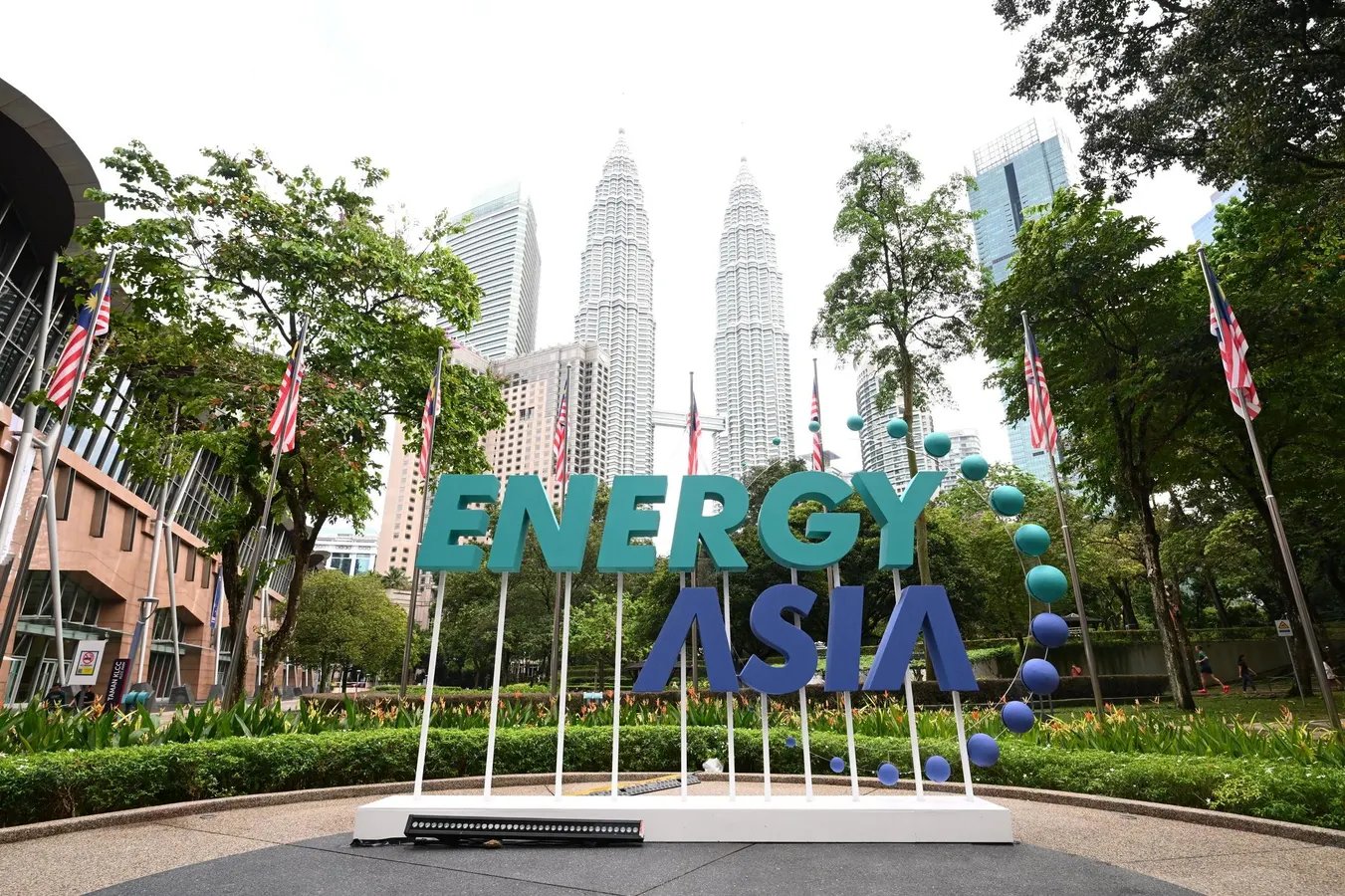
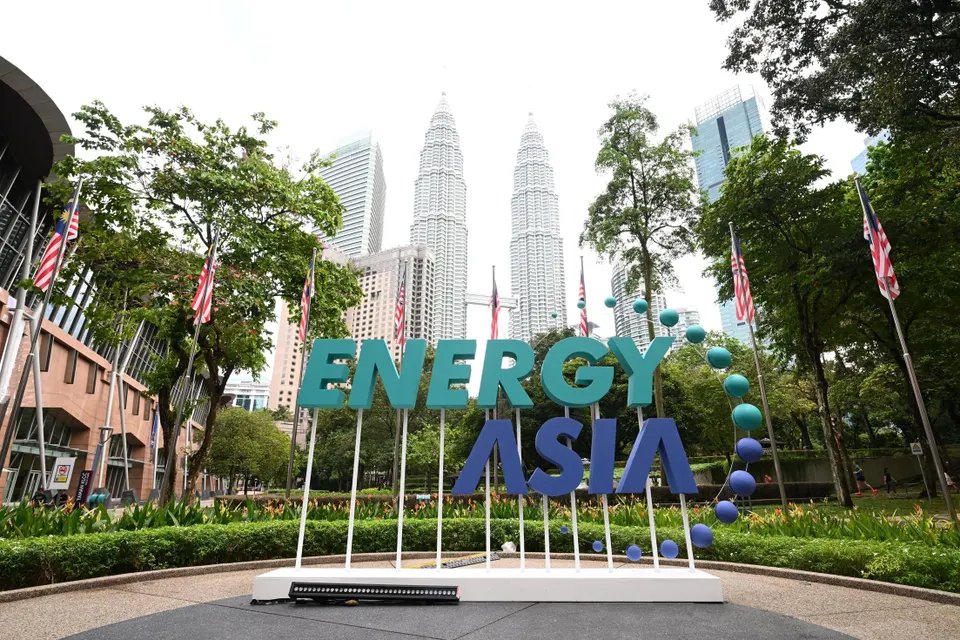
Against this backdrop, Energy Asia 2025 convened leaders, policymakers, investors and innovators from across the globe in Kuala Lumpur to explore how Asia can pursue a pragmatic and inclusive transition toward net zero. Through high-level dialogues and strategic exchanges, the conference reframed the region’s energy narrative around three imperatives, diversify, invest and collaborate, a collective call to action for sustainable progress.
Diversification of energy portfolios emerged as critical to resilience, blending renewables with low-carbon fuels and abatement technologies to ensure reliability and affordability. Strategic investment, meanwhile, was recognized as the engine driving this transformation, requiring innovative financing and policy frameworks to de-risk emerging solutions. Above all, collaboration across borders, sectors and value chains stood out as the unifying force that will determine Asia’s pace and success in the transition.
Reflections From Energy Asia 2025
(From left) Dr. Atul Arya, Senior Vice President and Chief Energy Strategist of S&P Global; Dr. Daniel Yergin, Vice Chairman of S&P Global and Founder of CERAWeek; and President and Group CEO of PETRONAS, and Chairman of Energy Asia, Tan Sri Tengku Muhammad Taufik reflected on the three-day Energy Asia 2025 conference.
Energy Asia
Speaking at the closing ceremony, President and Group CEO of PETRONAS, and Chairman of Energy Asia, Tan Sri Tengku Muhammad Taufik reaffirmed that Asia’s pathway to net zero must reflect its realities, pragmatic, inclusive and collaborative in building a just and equitable energy future.
His message captured the essence of Energy Asia 2025: that the region’s transition must strike a careful balance between industrial competitiveness, energy security and emissions reduction. This approach, exemplified by Japan’s green transformation (GX) policy, resonated throughout the conference as leaders called for realism and unity in navigating the region’s energy future.
Echoing this perspective, Vice Chairman of S&P Global and Founder of CERAWeek Dr. Daniel Yergin underscored the enduring importance of energy security in shaping Asia’s transition, noting that the region’s pragmatic and balanced approach, focused on stability and collaboration, will be key to sustaining progress that is both inclusive and resilient. This understanding was mirrored in the 14 new partnerships and collaborative efforts forged during Energy Asia 2025, underscoring ASEAN’s growing potential as a unified and forward-looking energy community.
PETRONAS CCS Ventures Sdn. Bhd. (PCCSV), MISC Berhad (MISC) and Mitsui O.S.K. Lines, Ltd. (MOL) announced a landmark joint venture to advance cross-border CO2 transportation.
Petronas
Looking Ahead
As global discourse on energy transition continues to evolve, Energy Asia stands as a cornerstone of Asia’s voice in shaping a balanced, secure and sustainable energy future. The conversations ignited in Kuala Lumpur reaffirmed that the region’s strength lies not in uniformity, but in shared determination to progress responsibly.
Building on this momentum, Energy Asia 2027, set to take place from June 2 to 4, will further advance these dialogues, with artificial intelligence anticipated to take center stage as a transformative force in shaping the next era of energy systems and innovation.
Follow Energy Asia for continued insights and updates at www.officialenergyasia.com and be part of the movement driving Asia’s pragmatic and inclusive energy transition.