
Navigating your financial future often begins with loans and home investments, and managing personal loans involves much more than simply acquiring the funds needed for various expenses; it requires a strategic approach to ensure lasting wealth.
Understanding your overall financial picture is crucial for effective loan management, as how loan repayments fit into your monthly budget significantly impacts your cash flow; seeing where your money is allocated can allow you to prioritize spending on what matters most to you and your loved ones.
Tools make this clarity much easier for folks. Some like apps that track things automatically, like a car. Others prefer using a spreadsheet for more control and fewer robots. The method isn’t vital; pick a plan that feels right. It must be simple so you actually stick to it long-term like glue.
Making loan payments easy should be a big priority for everyone. Setting up payments to be automatic is a very practical step. This ensures payments are timely, reducing late fees charged to you. Many lenders reward you for this, offering small rate discounts too.
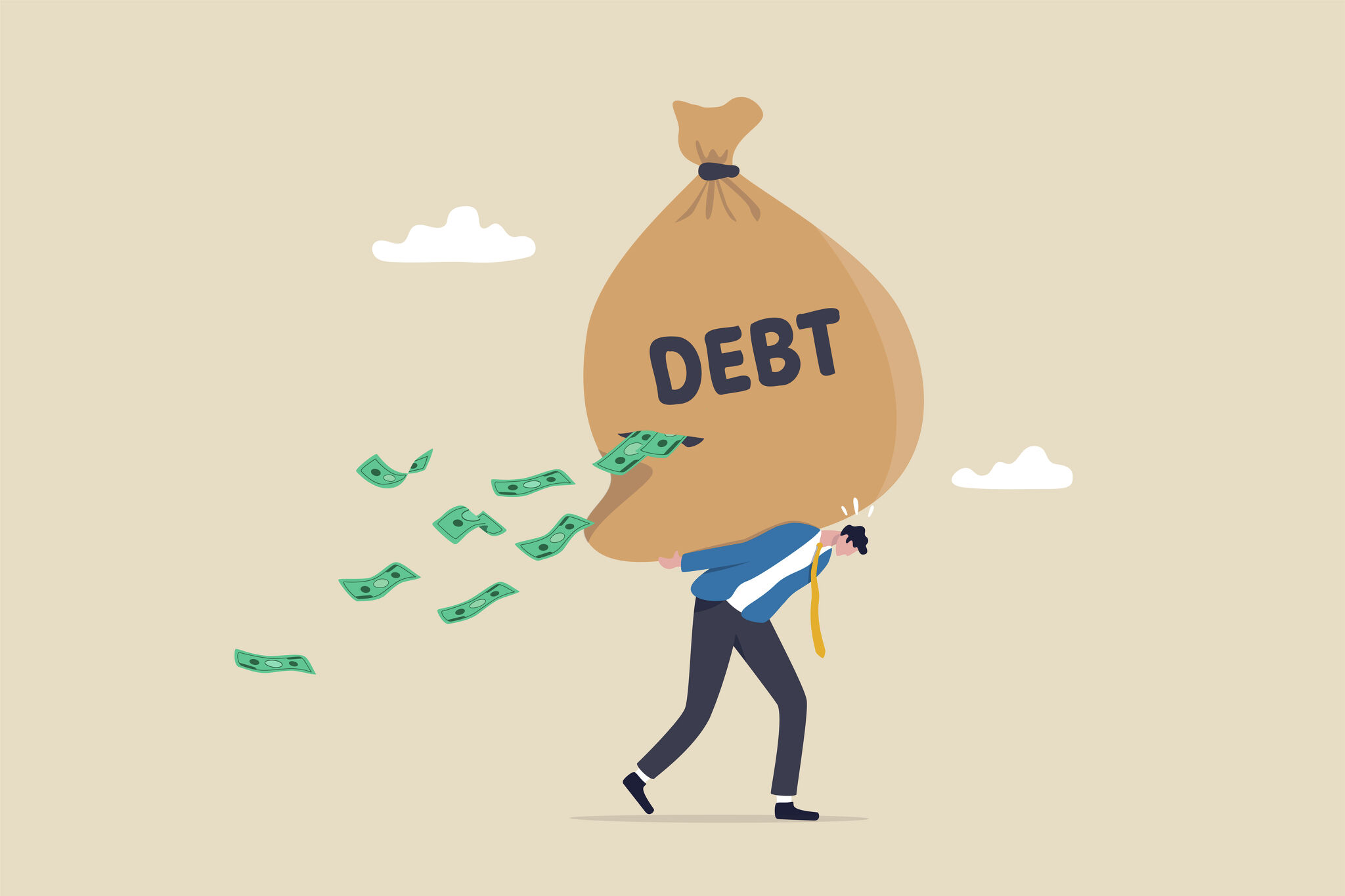
For those looking at debt consolidation, some lenders will send funds directly to your credit card issuers, but if you’re not consolidating, it’s wise to keep those funds in a checking account for easy access, and having separate accounts can aid in managing money earmarked for specific purposes based on your spending plans.
Sometimes life gets hard and brings unexpected troubles. Job loss or illness makes meeting loan duties impossible sometimes. Do not hide if you anticipate trouble happening. The guidance says reaching out quickly is always the best policy.
Many lenders know hard times come your way. They often offer programs to help borrowers struggling with payments. These can let you pause or reduce payments for a little while. In rare cases, part of the principal might be forgiven by the bank. Your credit should stay okay if payments are paused by agreement. You must ask the lender to explore these options fast.
Finding more cash in your budget feels great for money freedom. Putting extra funds to pay down debt helps improve life. Just throwing money at your loan isn’t always the smartest. Be strategic about extra payments and debt goals too.
Consider your debt payoff strategy before sending extra. Two common methods work well for most people. The Avalanche pays high rates first, saving interest overall. Snowball pays the smallest debts first to build fast momentum. The best choice depends on your own personality, in fact.
If you’re considering making extra payments, it’s essential to ask your lender precisely how that money will be applied, as some lenders may apply it to your next bill instead; ensuring that your extra payments go directly to the principal can significantly reduce the amount of interest paid over time.
As you manage loans, new chances might come around for you. If your credit improves, you might refinance for a lower interest rate. Refinancing replaces your old loan with a better one. A lower rate means more money goes to the principal balance.
A lower interest rate means less is spent over the loan life. Refinancing should not be taken lightly by anyone. Weigh savings against new loan costs like fees charged. Watch out for extending payment periods with a new loan.
Ending your loan term might make you pay it off fast. Getting rid of debt feels good and makes you smile. But weigh the pros and cons of paying debt off quickly. Using savings for early payoff might leave you exposed to emergencies.
Before making extra payments, consider whether that money might serve a better purpose elsewhere, and don’t forget to review your loan documents for any early payment penalties, which, while uncommon, can affect your decision on whether to pay down debt sooner or later.
Building wealth with your home is important for later. Building home equity reliably creates wealth for you. It helps maintain the home while you live there too for comfort. Home equity is part of the home you already own free.
Equity increases as you pay down mortgage debt owed. It also grows as your property’s value gets higher. More equity means a greater amount you might borrow against it. This happens through loans or lines of credit against the home.
Proactive steps help homeowners build equity faster. The journey often begins right at the time you buy a home. Making a big down payment builds an instant equity stake. A larger start means a bigger ownership share from day one for you.
A large down payment lets you avoid private mortgage insurance. This extra monthly cost is a burden you can skip easily. Putting down 20 percent or more gets rid of this cost. Free funds improve cash flow for you to save more.
/GettyImages-880471430-5aa9328f1d64040037396716.jpg)
It’s important to assess your savings after accounting for your down payment and closing costs because lacking sufficient cash reserves can lead to precarious situations in the future, particularly when unexpected emergencies arise, including necessary home maintenance expenses like plumbing repairs.
Mortgage terms play a big role in how fast equity builds up for you. Lower interest rates mean faster principal paydown. Getting the loan with the lowest rate is an essential need. Shopping around helps compare offers from multiple lenders too.
Explore different mortgage products available to you. Consider a shorter term than the common 30-year type. Shorter terms often have lower interest rate offers. They tackle the principal faster, building equity quickly for you. An adjustable-rate loan might offer low rates at first. Do not make interest-only payments, or equity does not grow.
Closing costs affect equity when taking a loan. Lenders might roll thousands of dollars into the loan. While convenient, this raises your principal and interest costs. Paying closing costs yourself is generally cheaper overall for you.
Covering fees upfront means that more of your payment goes toward reducing the principal, which is crucial for decreasing your principal balance from the outset; a smaller principal means building equity more quickly, allowing your money to work for you effectively in achieving financial goals.
Increasing the value of your home significantly enhances your equity, and while home renovations are often recommended as a means to achieve this, it’s wise to remember that you may not always recoup every dollar spent, as some projects yield a better return on investment than others.
Reports offer insights into typical returns achieved. A wood deck might get back 83 percent of its cost. An upscale bath remodel might only return 45 percent to you. Some less popular projects offer surprisingly high returns on cash. A garage door replacement could offer a 194 percent return, surprisingly. Less is more sometimes with minor kitchen remodels.
Covering these fees means more payment goes to principal. This helps keep your principal balance smaller from the start. A smaller principal is key for building equity faster. It helps your money work for you in ways you want.
Increasing home value directly boosts your equity numbers. Home renovations are cited as a path for this often. You won’t get back every dollar invested sometimes. Some projects offer a better return on investment than others.
Reports offer insights into typical returns achieved. A wood deck might get back 83 percent of its cost. An upscale bath remodel might only return 45 percent to you. Some less popular projects offer surprisingly high returns on cash. A garage door replacement could offer a 194 percent return, surprisingly. Less is more sometimes with minor kitchen remodels.
Paying down your principal faster will reduce the overall interest you pay throughout the life of the loan, which not only saves you money but also shortens the duration of your debt; if you find yourself with extra funds, it’s crucial to confirm that these will be correctly applied to your principal balance.
There are two straightforward methods to implement this strategy efficiently, with one popular technique being to switch to biweekly payments; by splitting your monthly payment in half and sending it every two weeks, you effectively make 26 half payments each year, equating to 13 full payments, which significantly shortens your loan term, especially when combined with rounding up payments or adding fixed amounts.
Related posts:
How to Manage Your Personal Loan
How Equity Release Can Pay Off Your Mortgage (2025)
How to Build Home Equity (And Why You Should)